
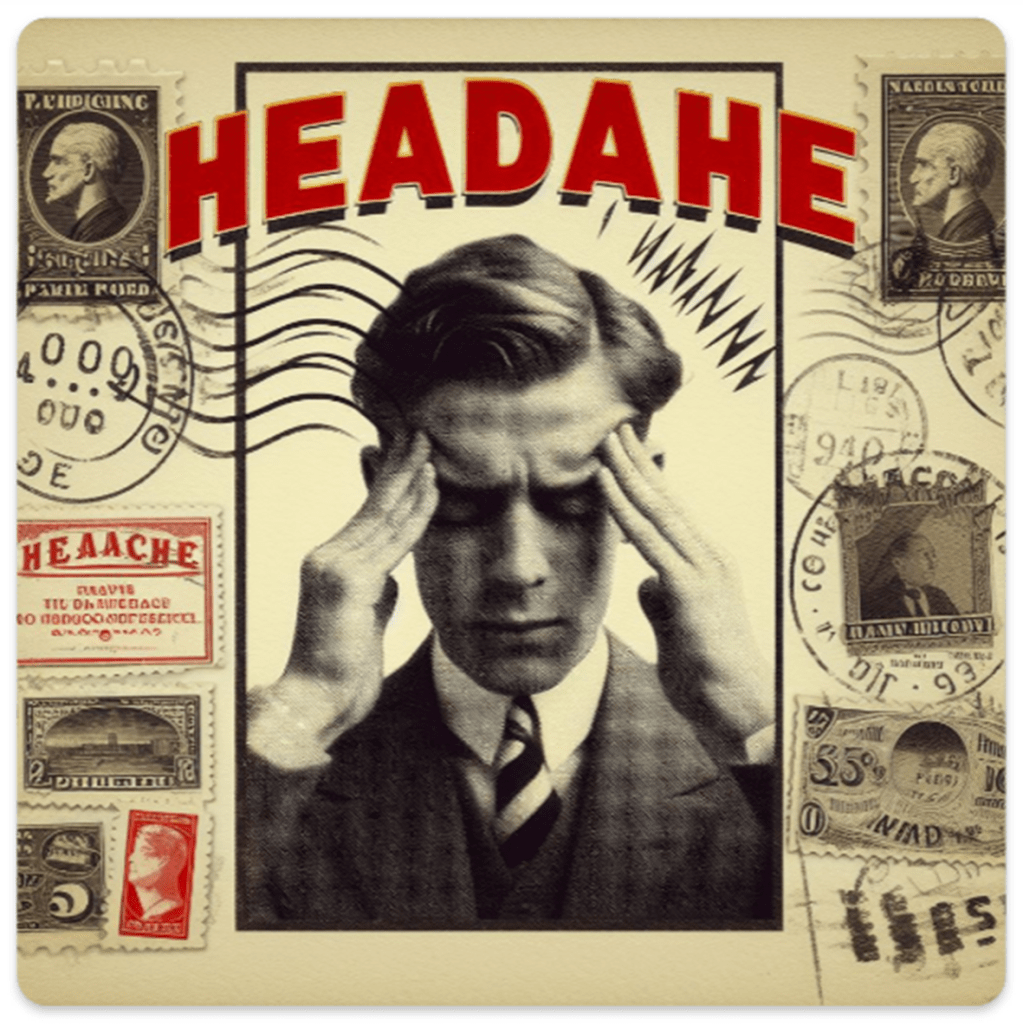
My intention was to write a completely different post today, something about why words matter and how the terminology around migraine care is changing. I’ll get there. Instead, I opened up my web browser and saw an ad from an overseas online store that sells everything you could imagine for prices so ridiculously low you have to be a tad suspicious about whether the business is legitimate. A quick google search – “are they are a scam?” – provides no definitive answers, only a wide array of opinions ranging from ‘love their stuff, it’s so affordable’, to ‘beware, I think they’re skimming my credit card’. I’m sure that wherever you live, you have similar online stores and similar concerns.
Anyway, the brand obviously uses AI to throw together ads based on your recent browser history. My current web searches are presumably heavily weighted towards ‘migraine’. Even so, imagine my surprise when the overseas store offered to sell me a migraine on sale – thanks but no thanks!
[The ad is below with the company name taken out (shame is never my game).]

It got me thinking about how advertising for migraines might have been in the past. In Australia, we are inundated with quirky ads to get rid of headaches fast, but not many specifically related to migraines. The same appears to be essentially true for the past. And if you’re feeling like chronic pain is a little bit stigmatized and misunderstood today, wait until you see how they ‘sold’ it years ago.
Without further ado, let’s look at a few doozies…
First up, there’s the notion of a “housewife headache” – it’s obviously condescending, but the text underneath refers to the “mild form of torture” that is associated with making beds over and over and acting as the family chauffeur, suggesting there’s at least some understanding of what moms might be going through. Then there’s the truly terrible ones which turn her headache into an inconvenience for the husband: “Headache nerves may wreck your marriage [so] give her a piece of your mind!” or “It’s no fun to live with a wife with ‘nerves’.” So why not sedate her!
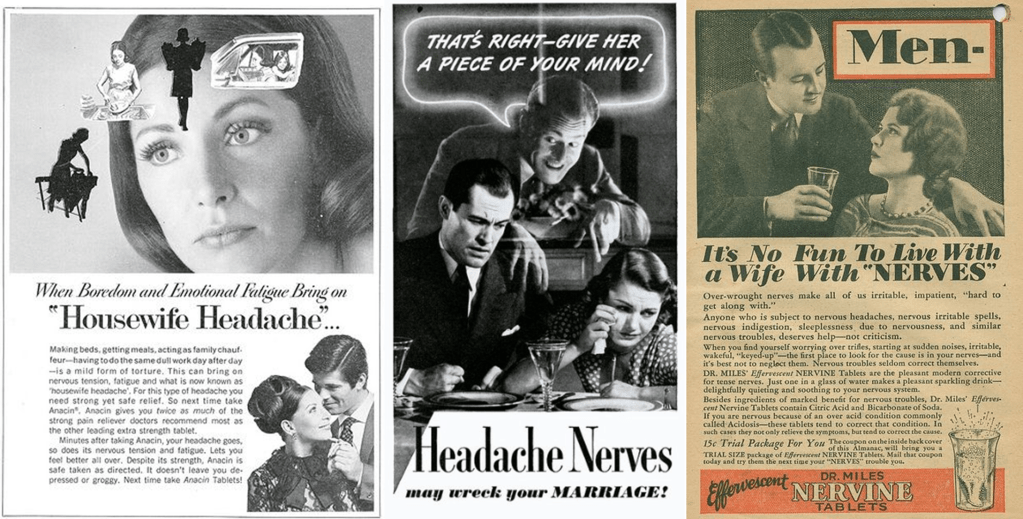
Then there are the ads that go straight at the patient’s sense of guilt and remind them in no uncertain terms that they are ruining everyone else’s lives by having a headache. Yeah. Sorry for the inconvenience everyone, my bad.

Lastly, there’s the migraine remedy ads that risk giving you a migraine, complete with jackhammers and barking dogs. I’ve only included a couple here, because they get very graphic very quickly, and I feel a bit sick about the idea of making a spectacle out of people’s suffering. They grab your attention and no doubt help non-migraineurs glimpse how bad our pain is, but they’re not the people buying the tablets. There’s apparent understanding, but still not a lot of empathy.

The whole web search left me less curious and more furious. I can only hope that future marketers show a little more sympathetic softness during their hard sell, because based on what I’m seeing – I’m not buying the message they’re pushing.
Weirdly, as I noted at the beginning of this post, I had intended to write about why words matter and how the terminology for migraine health care is changing – and wouldn’t you know it; mission (obliquely) accomplished!
Take care friends and bye for now, Linda.
When Boredom and Emotional Fatigue Bring on “Housewife Headache” ~ Vintage Everyday
January | 2014 | MATTHEW’S ISLAND (mattsko.com)
Dr. Miles Nervine tablets (1930) : r/vintageads (reddit.com)
Miscellaneous Madness: Don’t burden the world with your misery (miscmadnessgallery.blogspot.com)


 The Mindful Migraine
Leave a comment