
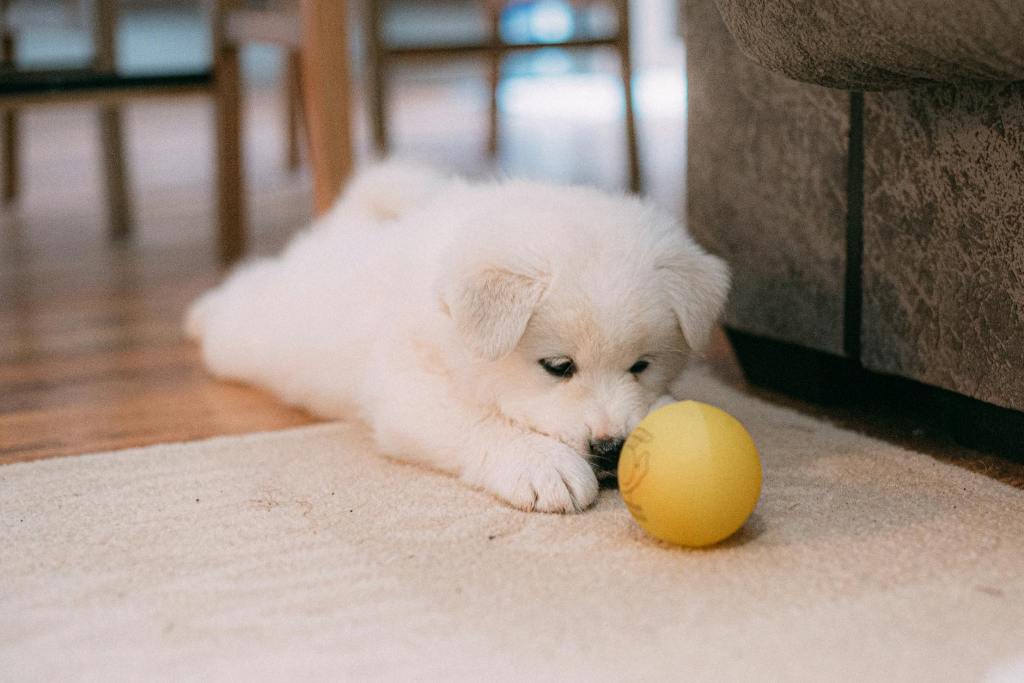
Ok, so today’s post is a bit odd… but stick with me! I was watching a documentary about the neuroscience of dogs (as you do) and there were so many things that felt relevant to my healing journey… again… stick with me.
As the mother of two fur-babies, there were plenty of quirky little facts that I found exciting, such as a dog’s nose-print is as unique as our finger-prints! Wow! Next time a doggy-crime is committed, they just have to take impressions of local hounds’ nuzzly noses to find the culprit!
I also learnt that most dogs are content to sleep 50% of the day away, that 20% of dogs display ADHD style behavior, and that high pitched and constant barking tends to mean “I’m stressed” as opposed to occasional lower-pitched barks which mean “I’m curious / let’s play”.
But it was some of the other facts that seemed to hold some healing-clues.
For example, in the early part of the show it announced that more than 99% of a pet dog’s DNA is related to wild wolves – so much! – and that it is only the last less than 1% that relates to different breeds. It also said that the reason wolves became man’s best friend is due to an evolutionary glitch. Where the longevity of most animals falls into “survival of the fittest”, for early dogs it was “survival of the friendliest”. In particular, the dogs that could read our hand gestures, follow commands, or give us good puppy-eyes were the ones that stuck around longest and kept being bred to be our friends today. Cooperation between humans and dogs became a win-win scenario which benefited all involved.
I’m not sure why, but this reframing of success from being powerful to being kind made me very happy. I mean, I do know why – as a chronically unwell person, kindness is my only superpower as fitness fell by the wayside. So, there was something very validating in realizing that nice guys don’t always finish last.
The documentary spent a long time explaining how dogs are now bred for different functions (working dogs, sniffer dogs, companion dogs, family pets…) and how the breeders and trainers have learnt what traits to look for in puppies to help them decide which dogs are best for which roles. And when it came to training the dogs for future roles as service dogs, the lady they interviewed said there were 3 tips for training success: patience, repetition, and understanding their body language.
Hmmmm…
Healing is a bit like that. If you want to get better you need to be patient (new treatment options always take a while to take effect), keep repeating the new skills you’re learning (such as breathing better, mindful movement, and so on), AND you need to really learn to listen to your body’s language (learn those environmental triggers by all means, but also notice that your body is tensing up and your cheeks are tingly, or that your shoulders have started to creep towards your ears whilst your tummy feels like it’s sinking into your boots… and so on).
Patience: change takes time – hang in there.
Repetition: keep going, keep growing.
Learn you own body’s language: what is it trying to say to you?
And while we’re on body language – one last, albeit odd, fact that made me happy; an understanding of how to read a puppy dog’s wagging tail. Big, loose, put the whole hips into the swinging tail, (or helicopter spins), means “I’m really happy / curious / feeling positive about life”. Whereas, tight, low, restrained wags are a sign of tight-butt-muscles… the dog is not happy… it’s stressed.
The man they interviewed in the documentary even said: “go ahead – clench your butt muscles really tightly – do you feel relaxed? no!” So now, not only will I be paying more attention to my dogs’ waggy-tails, but I’ll also be adding wiggly hips to my power-poses! No more pug-puppy face, and no more tense-butt-muscles!
Odd – I know – I said that up front, but there you go – life lessons are everywhere; so, shake off that tension people and get happy!
Always remember that you are what you learn.
Pups that were roughly handled, ignored, or not socialized properly, all struggled to make good service dogs, and sometimes even dangerous pets.
Pups that were nurtured, schooled with kindness, given plenty of orderly care and attention thrived.
You can’t change your past (and I’m so sorry if it was a hard past) – but we CAN change the future (even if only by small increments). If the new you is like a new puppy – give yourself some love, be patient, consistent, and listen to the clues your body is sending you… oh, and keep those hips salsa-wiggly-loose!
Take care taking care lovelies, Linda xx
PS – today is my 17-month-anniversary of blogging, so I want to do a quick shout out to a handful of fab blogs I have recently crossed digital paths with – be a friendly pup if you have time and spread some blog love by popping in and saying hello to a couple of them:
Endless Explorations – Where every idea has room to grow and Every Thought is limitless.
Falcon’s Nest | Come Heal – Mental Health & Wellness
ladysighs | poetry, thoughts, quotations
motherhood – From My Corner of the Couch
Sarah Cath’s Adventures | Information About Technology, Hobbies, Travels and whatever else
The Zebra Corner – For everyone who’s ever been told it’s all in your head


 The Mindful Migraine
Leave a reply to Farming Writers Cancel reply