
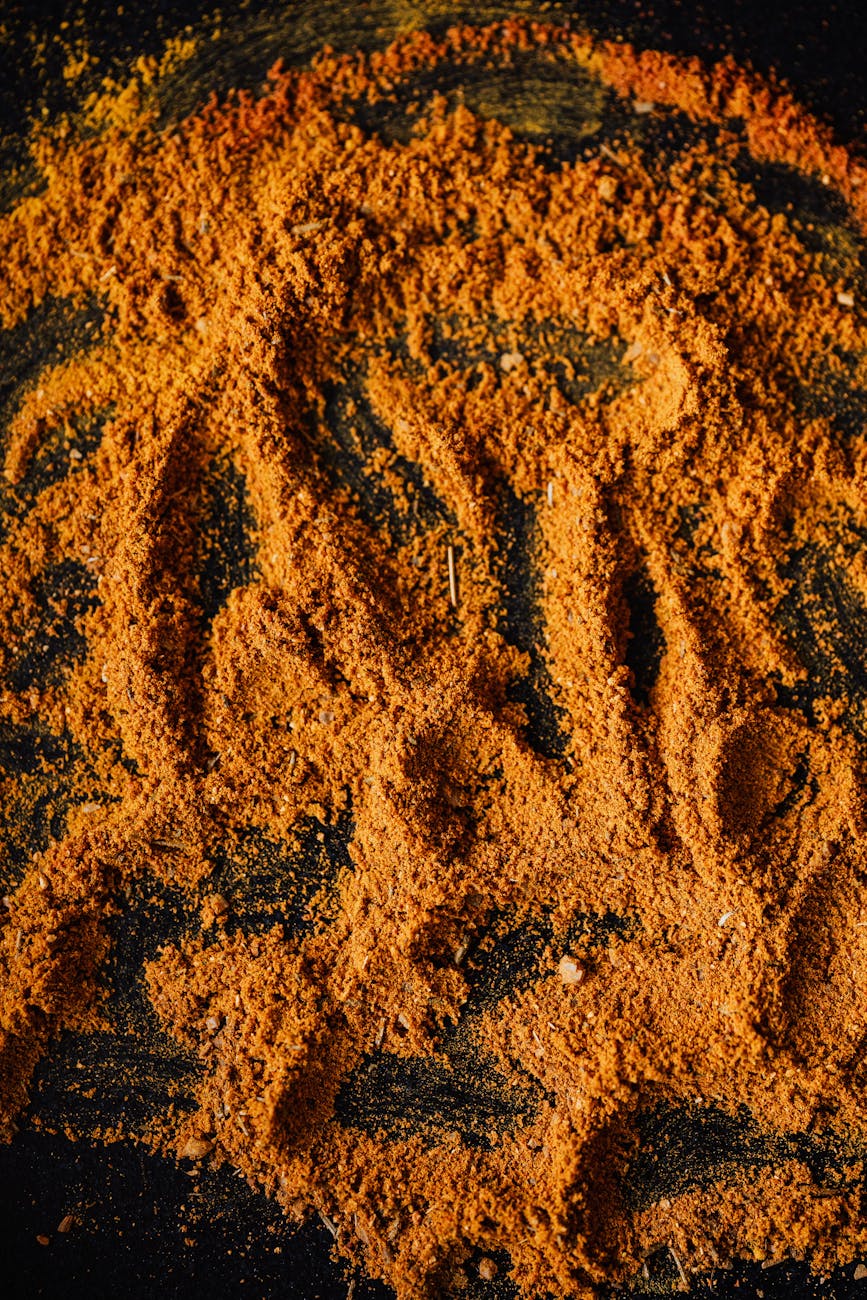
I’m always on the look-out for ways to reduce the frequency and severity of my migraine events. The more you look and listen, the more you notice recurring suggestions. Turmeric is one of those recurring suggestions.
But what is turmeric and why might it help?
According to Wikipedia, turmeric is a flowering plant that grows up to 1m tall and belongs to the ginger family. It requires warm temperatures to grow and thrives in India and Thailand. The “rhizome” roots are harvested and produce a yellow powder which has a warm, bitter, peppery flavor. The powder is then used to dye fabric or food in cooking.
The site goes on to state the turmeric has long been used in Auryvedic treatments [I’ll post about this one day] often in the form of a tea for digestive issues, but that NO high-quality scientific evidence exists to confirm its medicinal value. As of 2020 there was apparently no evidence it actually has significant anti-inflammatory properties. There is however, according to the site, good evidence it is an allergen.
[If you’ve been reading this website for awhile you’ll know that Wikipedia is a regular nay-sayer-party-pooper on most “alternative” modes of healing, including EFT tapping (which I practice a modified version of) and Rolfing (which I’ve never tried but sounds painful).]
Hmmm… so far, not so helpful for migraines.
BUT
According to a 2021 post on the website Migraine Strong turmeric IS well known for its anti-inflammatory properties, and that there is increasing awareness that it might assist in the “neurogenic inflammatory response during attacks”.
The site helps potentially clarify why turmeric MIGHT be helpful: “While turmeric gets all the fanfare, the real hero here is curcumin. Curcumin is the magic active ingredient in turmeric. It’s actually the curcumin that contains the impressive anti-inflammatory, antioxidant, symptom fighting benefits. Turmeric only contains about 3% curcumin making it very hard to get the therapeutic benefits of curcumin by cooking with the spice alone. Finding a curcumin supplement in addition to working it into your diet, will help ensure you get the most of its beneficial effects.”
The site goes on to suggest there are 4 main ways that turmeric will help: increases circulation (help reduce brain fog) / it is a powerful non-addictive pain fighting anti-inflammatory / reduces oxidative stress and increases antioxidant capacity / improves brain function and lowers the risk of brain disease.
[I’ve written about oxidative stress before: here]
The article then goes on to be ruthlessly honest, noting that the above benefits have not been tested for migraines specifically, so the “jury is still out” as to whether it will be of significant assistance – but as they suggest, even if it’s only helping a little bit, maybe that little bit is enough.
The author, a dietician named Danielle writes “One thing I’ve learned when it comes to managing migraine symptoms is to stick with what works even if no one else is talking about it or doing it.”
As with all supplements however – BE CAREFUL – they are not suitable for everyone (especially pregnant or breastfeeding women). As the LiveStrong website says, there might be benefits for turmeric for migraine patients, but tea alone is unlikely to make enough of a difference, and supplements that try to increase the ‘good bits’ might accidentally lead to more harm than good.
To further this idea, here’s a post on the side-effects of too much turmeric: 5 Side Effects of Turmeric: How Much Is Too Much? They include tummy upsets and rashes, dropping blood pressure and more serious issues relating to blood thinning and liver damage.
My suggestion would be: DON’T try this one at home – speak to your health care provider about your individual situation and get professional advice before changing your diet to include large doses of turmeric.
[Disclaimer – as always – please remember that this blog post does NOT attempt to provide any form of medical advice.]
Please take care taking care, Linda x
PS – if you’re a turmeric fan (or not) let me know in the comments – I don’t think it will change my mind, but I’d be curious to hear from you.


 The Mindful Migraine
Leave a reply to Silk Cords Cancel reply