To turmeric or not to turmeric?

Published by

on

I’m always on the look-out for ways to reduce the frequency and severity of my migraine events. The more you look and listen, the more you notice recurring suggestions. Turmeric is one of those recurring suggestions.

But what is turmeric and why might it help?

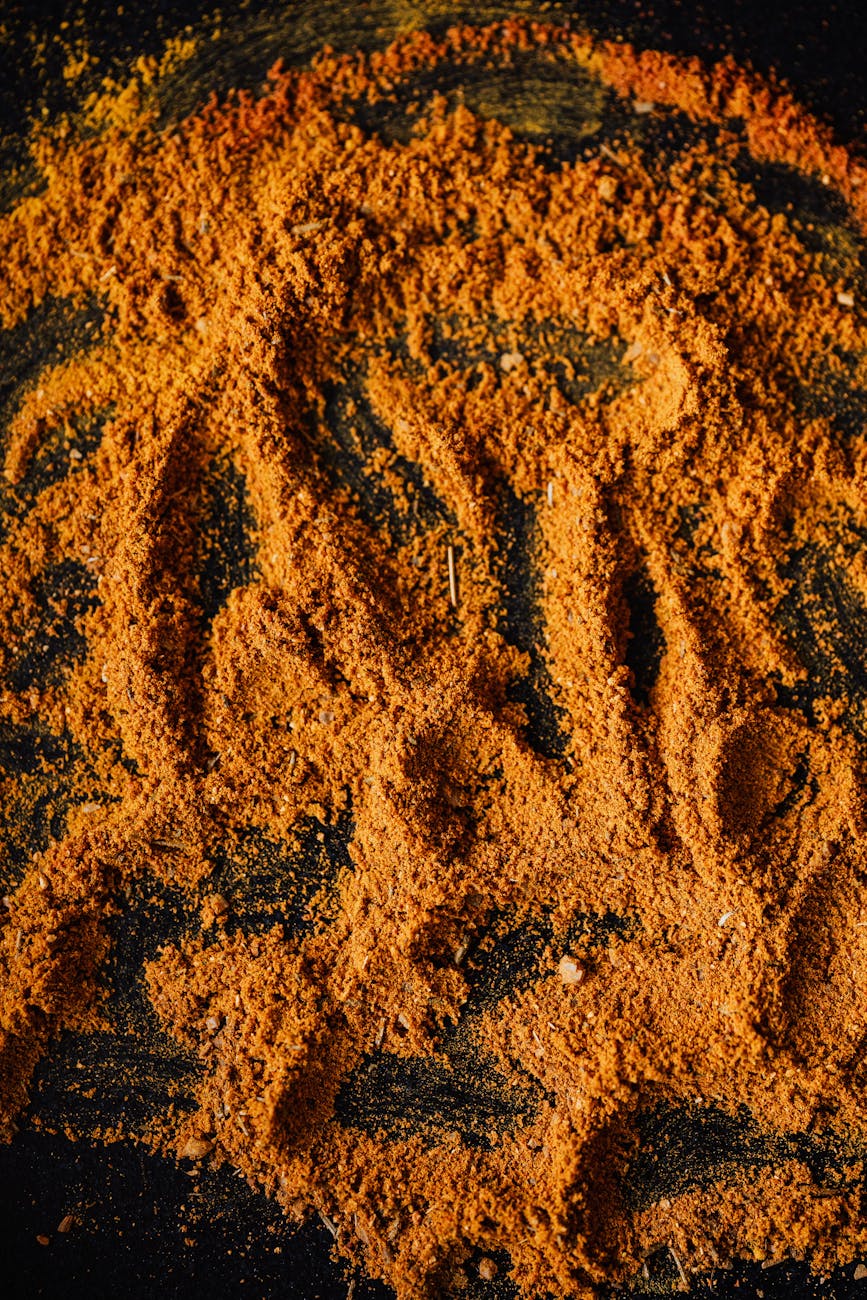
According to Wikipedia, turmeric is a flowering plant that grows up to 1m tall and belongs to the ginger family. It requires warm temperatures to grow and thrives in India and Thailand. The “rhizome” roots are harvested and produce a yellow powder which has a warm, bitter, peppery flavor. The powder is then used to dye fabric or food in cooking.

The site goes on to state the turmeric has long been used in Auryvedic treatments [I’ll post about this one day] often in the form of a tea for digestive issues, but that NO high-quality scientific evidence exists to confirm its medicinal value. As of 2020 there was apparently no evidence it actually has significant anti-inflammatory properties. There is however, according to the site, good evidence it is an allergen.

[If you’ve been reading this website for awhile you’ll know that Wikipedia is a regular nay-sayer-party-pooper on most “alternative” modes of healing, including EFT tapping (which I practice a modified version of) and Rolfing (which I’ve never tried but sounds painful).]

Hmmm… so far, not so helpful for migraines.

BUT

According to a 2021 post on the website Migraine Strong turmeric IS well known for its anti-inflammatory properties, and that there is increasing awareness that it might assist in the “neurogenic inflammatory response during attacks”.

The site helps potentially clarify why turmeric MIGHT be helpful: “While turmeric gets all the fanfare, the real hero here is curcumin. Curcumin is the magic active ingredient in turmeric. Itโ€™s actually the curcumin that contains the impressive anti-inflammatory, antioxidant, symptom fighting benefits. Turmeric only contains about 3% curcumin making it very hard to get the therapeutic benefits of curcumin by cooking with the spice alone. Finding a curcumin supplement in addition to working it into your diet, will help ensure you get the most of its beneficial effects.”

The site goes on to suggest there are 4 main ways that turmeric will help: increases circulation (help reduce brain fog) / it is a powerful non-addictive pain fighting anti-inflammatory / reduces oxidative stress and increases antioxidant capacity / improves brain function and lowers the risk of brain disease. 

[I’ve written about oxidative stress before: here]

The article then goes on to be ruthlessly honest, noting that the above benefits have not been tested for migraines specifically, so the “jury is still out” as to whether it will be of significant assistance – but as they suggest, even if it’s only helping a little bit, maybe that little bit is enough.

The author, a dietician named Danielle writes “One thing Iโ€™ve learned when it comes to managing migraine symptoms is to stick with what works even if no one else is talking about it or doing it.”

As with all supplements however – BE CAREFUL – they are not suitable for everyone (especially pregnant or breastfeeding women). As the LiveStrong website says, there might be benefits for turmeric for migraine patients, but tea alone is unlikely to make enough of a difference, and supplements that try to increase the ‘good bits’ might accidentally lead to more harm than good.

To further this idea, here’s a post on the side-effects of too much turmeric: 5 Side Effects of Turmeric: How Much Is Too Much? They include tummy upsets and rashes, dropping blood pressure and more serious issues relating to blood thinning and liver damage.

My suggestion would be: DON’T try this one at home – speak to your health care provider about your individual situation and get professional advice before changing your diet to include large doses of turmeric.

[Disclaimer – as always – please remember that this blog post does NOT attempt to provide any form of medical advice.]

Please take care taking care, Linda x

PS – if you’re a turmeric fan (or not) let me know in the comments – I don’t think it will change my mind, but I’d be curious to hear from you.


Discover more from The Mindful Migraine

Subscribe to get the latest posts sent to your email.

31 responses to “To turmeric or not to turmeric?”

  1. Does mustard help migraines?!? – The Mindful Migraine Avatar

    […] mustard that was the helpful agent (I’ve written about turmeric just the other day – here), so again; read the ingredients on the bottle before you pour it into your […]

    Like

  2. Dawn Pisturino Avatar

    My husband swears by it.

    Liked by 1 person

    1. The Mindful Migraine Blog Avatar

      It seems to be getting a lot of thumbs-up… I may need to rethink my resistance! thanx xx

      Like

  3.  Avatar
    Anonymous

    For any anti-inflammatory food to help, the entire diet must also be based on anti-inflammatory foods as much as possible.

    If we consume a lot of acidic foods (animal proteins, coffee, sweets, etc.) we will not benefit from such a diet.

    Curcumin does have anti-inflammatory properties, but if we take it alone, without the rest of our diet being as anti-inflammatory as possible, then it will NOT have an effect no matter how much we consume.

    Taking large amounts of curcumin has known side effects, diarrhea, stomach pain, nausea, dizziness. The possible benefits that consuming large amounts will have are much less than the side effects.

    Liked by 1 person

    1. The Mindful Migraine Blog Avatar

      OK – that is really interesting and makes total sense to me – it’s similar to doing extra exercise but making no changes to your diet – or vice versa – we need to work on the whole body to make a difference. Interesting too about the whole-diet anti-inflammatory approach… I’ll have to look into that a little deeper, but I suspect my love of morning tea (a cup of coffee and a biscuit) might be my general undoing! xx

      Liked by 1 person

      1. cz09 Avatar

        Yes, it is correct the exercise example.
        Note also that you can not doing all the time an anti-inflammatory and an anti-oxidant nutrition, but you can definitely go on a less acidic diet, limiting some foods that are known to cause inflammation and those that are acidic.

        Liked by 1 person

        1. The Mindful Migraine Blog Avatar

          A less acidic diet – I think I might intuitively already avoid a lot of acidic foods… so interesting!

          Like

  4. singlikewildflowers Avatar

    My husband takes a turmeric supplement. He’s not a supplement believer, but this one he takes diligently!

    Liked by 1 person

    1. The Mindful Migraine Blog Avatar

      OK wow – there you go – the vote is definitely almost all in favor! xx

      Liked by 1 person

  5. schingle Avatar

    My wife is a big believer in Turmeric

    Liked by 1 person

    1. The Mindful Migraine Blog Avatar

      I think many people are promoting it here – I might have to give it another look – far more positive stories of support than negative ones! xx

      Liked by 1 person

  6. silverapplequeen Avatar

    Turmeric helps with my arthritis. I haven’t noticed any migraine help.

    Liked by 1 person

    1. The Mindful Migraine Blog Avatar

      Yeah OK – that is what I would imagine – that it might help with the muscle tension in my neck, but my migraines (which are often hormonal) won’t are two bits about the turmeric… on the other hand, if it is helping my neck then it might be helping reduce some of the migraines… it’s just that all supplements cost a fair bit in Australia, so if they’re not helping, I’m not sure I can bring myself to spend the money! xx

      Liked by 1 person

  7. Soul Ventures Avatar

    Sorry , sent before completing the comment by mistake , just wanted to end by saying prevention is better than cure , thank you for the post

    Liked by 1 person

    1. The Mindful Migraine Blog Avatar

      yes – great point – the more we can improve “wellness”, the less chance we’ll slip into “illness”!! xx

      Liked by 1 person

  8. Soul Ventures Avatar

    Turmeric tea was all the rage during and post-pandemic , it suited my parents but not for me. I think whether it is migraine or h/o asthma – sensitivity is higher so discernment is key . Better to try lowest possible ” dose” . It’s also easier in a way if we learn to identify cues . Seemingly normal food items / fabric can start a wheeze/ allergy even now , it’s just that I have learnt to be more aware , and carry an asthalin or calydryl or antihistamine as precaution while traveling. Better to avoid people / things which we know cause e

    Liked by 1 person

    1. The Mindful Migraine Blog Avatar

      Interesting about the allergy side of things – that was one of the risks that came up – I also like your idea about starting on a low dose and taking it from there – better to be safe than sorry (even when it works for other people in your immediate family, like in your case!) xx

      Liked by 1 person

  9. Darryl B Avatar

    I take it 2-3x a week as I read itโ€™s supposed to be a good anti-oxidant and anti-inflammatory compound. My chiropractor sells it. I looked at the page (thx for link) and Iโ€™ve never had GI upset, rashes, or bleeding. Not sure about blood sugar or liver, those probably require blood tests. I followed a link on insulin resistance and was startled to read 40% of young people now have this ๐Ÿ˜จ

    Liked by 1 person

    1. The Mindful Migraine Blog Avatar

      Yikes – I did not realize so many people had insulin resistance – that is an alarming number! Glad to hear the turmeric works for you! L xx

      Liked by 1 person

  10. Stephanie Avatar
    Stephanie

    My rheumatologist recommended I start taking turmeric supplements 6 months ago, which I did, although I’ve tried to heavy-handedly use it as an ingredient for several years in cooking. I started doing that when an Indian friend told me about the way they kept turmeric paste in the first aid kit at home, to use for treating wounds, etc. I take seriously when some remedies passed down through families and generations. Whether the supplements are working for the inflammation or not, I’m not sure, because it’s just one thing I’m trying.

    Liked by 1 person

    1. The Mindful Migraine Blog Avatar

      Oh! Turmeric paste sounds like a good idea – I haven’t heard of that. And like the quote in the article, if you think it might be working, that’s good enough recommendation to keep at it. L xx

      Liked by 1 person

      1. Stephanie Avatar
        Stephanie

        Agreed. Thanks so much.

        Liked by 1 person

        1. The Mindful Migraine Blog Avatar

          โฃ๏ธ

          Liked by 1 person

  11. jeanlerossignol Avatar

    My favourite flavour, I adore the smell of fresh turmeric. I tastes delicious as well. Powder form is different but very good the its versatility: dental care, face scrub, tonic, turmeric hot milk and so on. Turmeric is magic. I don’t know if it helps with migraine but having it daily definitely improves general health

    Liked by 1 person

    1. The Mindful Migraine Blog Avatar

      There you go – the advice seems to be coming in from all around the world that it is worth it – so interesting! L xx

      Liked by 1 person

  12. Silk Cords Avatar

    We’ve added Turmeric to our supplement list and have had good results from it. It prevents swelling and inflammation, and on that front alone it’s great. Since what headaches I do still get are from muscle tension pinching nerves in my neck, Turmeric has helped there as well. My headaches aren’t migraines in the pure, textbook definition though; they’re properly tension headaches, which have a slightly different pain map. They can be directly traced to spinal issues too, whereas spinal issues are only sometimes a contributing factor to migraines.

    Liked by 1 person

    1. The Mindful Migraine Blog Avatar

      See, so many of you are pro-turmeric I might have to think about it – I think a lot of my migraine headaches come from muscle tension in my neck – so it would probably help with that! So interesting! But yes, the other ones which are more hormonal probably will hang around, but if I can get rid of some of them I’d be grateful! xx

      Liked by 2 people

      1. Silk Cords Avatar

        My recommendation would be to start small; try it in dishes that use it first. If you notice anything positive, you can move to using it as a supplement. Everybody’s biochemistry is different though. That’s why some people think Cilantro tastes like soap and others love it. ๐Ÿ˜‰

        Liked by 1 person

        1. The Mindful Migraine Blog Avatar

          Oh! I’m a soap person too! My husband raves about it, and all I taste is ick! Great advice about starting small and seeing how it goes, and adjusting it from there… I really will look into it more I think. xx

          Like

          1. Silk Cords Avatar

            There’s a reason it’s been a part of Ayervedic natural healing for thousands of years. ๐Ÿ˜‰

            Liked by 1 person

            1. The Mindful Migraine Blog Avatar

              True that – don’t mess with ancient wisdom!

              Liked by 1 person

Leave a reply to Dawn Pisturino Cancel reply