
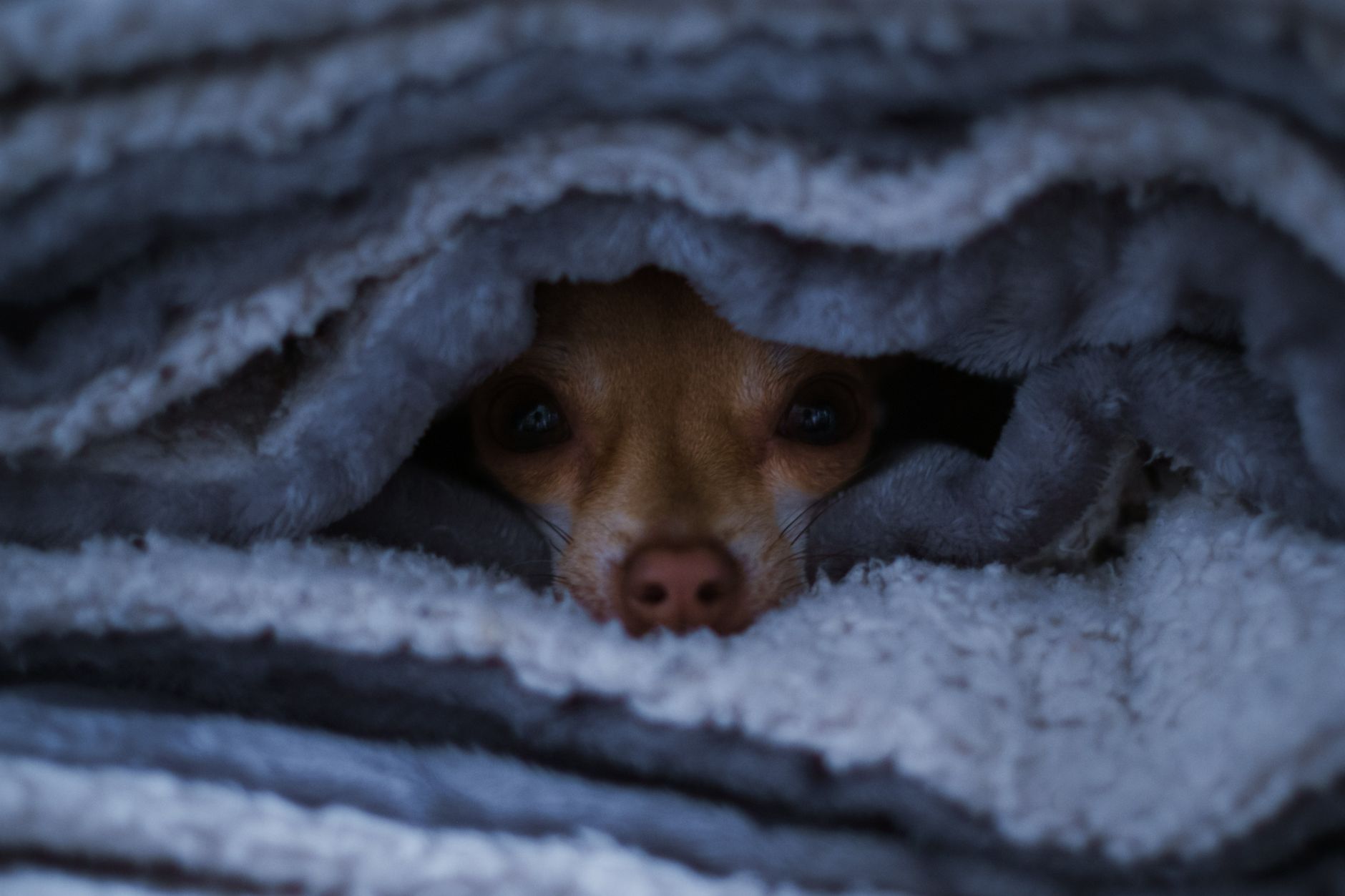
If you live with chronic pain, your bedroom is a big part of your life. More than just a place to go to rest and restore at the end of the day, it is also a retreat and a sanctuary. I call it my “migraine cave” where I hibernate during a migraine attack. Another way to phrase it recently came across my desk: ‘soft-hermitting’.
Because my bedroom is my go-to space for healing, it’s no surprise that I write about bedroom basics a lot. I’ve covered everything from migraine nightmares, the history of pillows, a crazy thing called hypnic jerks, through to a review of Joan Didion’s essay “In Bed“.
Today’s post flops into the internet trend called “soft-hermitting”.
It came to me in my news feed via an article in The Independent: Young people are ‘soft hermitting’ this summer – but it might be a recipe for loneliness
The article by Helen Coffey opens by stating that glorious sunny days in rain-soaked England SHOULD be a source of great joy and outdoor plans. It’s the ‘should’ that becomes a problem though: she should go here, meet them, do this, or that. As she tells it, those blue skies bring a lot of pressure to be out and about, when all she really wants to do is binge watch trashy TV without guilt.
Soft-hermitting is the reaction to this pressure.
Gen Z has apparently decided it is nicer to just say ‘no thanks’, and stay home alone.
It’s a bit more than the JOMO vibe I’ve written about before, but not as dramatic as the ‘bed-rotting‘ trend of 2024 (which is soooo old news).
Everyone is ‘socially burnt-out’ and creating stronger boundaries to protect their dwindling energy levels.
[Learning how to tighten and defend my boundaries made a big difference to my healing journey – I’m totally on board for this part of hermitting – read more here.]
The article suggests many people have deliberately gone days, and sometimes months, minimizing human-to-human contact. It also says that “#hermitting” is experiencing a boom on TikTok (but I found nothing over on Instagram), and implies that the singer Harry Styles probably started the trend when he went to Italy and announced he was going to ‘become a hermit’ and rest after his world-tour in 2023.
What I couldn’t find any explanation for, is what the ‘soft’ refers to. It makes me think of fluffy pillows and cozy couches, but I’m guessing it means you don’t have to do any ‘hard-core’ religiously motivated isolation. In other words, you don’t need to sign up with the local church or relocate to a desert cave and read the bible cover to cover…. as appealing as that does sound some days…
Quick side note:
Let me take a moment to diverge from the main topic and remind you all that “soft” can be strong. I am a big believer in the power of softness. Sometimes the loudest voice is not spreading the best message, and the strongest people are not those who can bench-press a bus. Inspired by the reminder, here is a collection of quotes and images that came up on Pinterest when I typed in ‘soft living’ (‘soft-hermitting’ was not a craze on Pinterest either, or equally likely; Gen Z aren’t on there):

[Image sources: Pinterest; Soft is Strong / #mermaidlove / Pin 디자인 / Pin on 가구 / Be wild / Arkaplan tasarımları / Strength 🤍/ Journal inspiratie / softness takes courage / You]
*
Returning to soft-hermitting, the more I went looking for information, the less I found. Everything seemed to have a copy-paste feel to it…
Nonetheless, returning to the original article, let’s finish things off.
*
Upsides of soft-hermitting
The upside of soft-hermitting is the decision to prioritize rest and me-time without guilt or self-judgement. It also avoids you falling into the ‘comparison trap’ which (apparently) happens if you spend too long with other people.
Downsides of soft-hermitting
The downside is that if you take hermitting too far, for too long, you risk disconnecting from the wider world. This can lead to chronic loneliness, which in turn can lead to health issues.
*
Other articles I have seen state the World Health Organization has declared Earth is experiencing a “loneliness epidemic”. Everyone is feeling disconnected from everyone else. It was happening long before COVID lockdowns (the article implies it started in the 1980s (which coincidentally is when I remember color TV and computers starting to really take off), but it seems to have been growing exponentially bad in recent years.
The article ends by recommending balance.
Animals hibernate – but only for winter – then they come back out of their hidey holes and rejoin the wider world. You should probably be the same, alternating between involvement and alone-time… in a way that feels right for you.
[Personally, as an introvert and recovering chronic-pain person, I’m all for the hermit-life. I thoroughly love closing the front door to an empty house and curling up with a good book. BUT I can also confirm that loneliness is real. When I have a full-blown migraine attack underway, I have to close all doors and windows, and rely on solitary confinement and sensory depravation to recover. However; solitary confinement and sensory depravation, are of course, also torture tactics… sigh.]
Remember; You are YOU-nique, so do what works for you… as guilt-free as possible.
Take care taking care,
Linda xx
*
PS – Want to know more about some of the sleep routines I’ve tried? You can click on the “rest” tab of this post for similar content, or use one of these links for specific information about sleep routines:
- The 7 types of rest
- The Military Sleep Method
- Breathing Backwards
- Rest Assured (?)
- Daylight Savings and Migraines
Good luck, and rest easy my friends!


Leave a Reply